Case Study: Zest at Home
A case study exploring the impact of Zest at Home from Zest participants, Philippa and Simon
 image credit: Image credit:
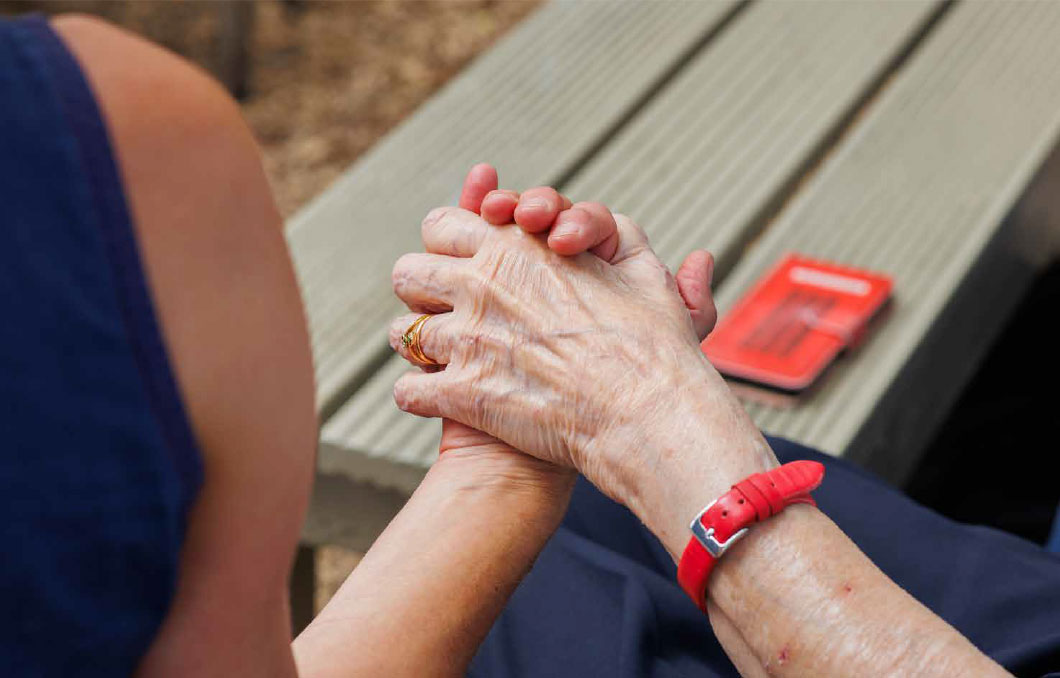
Philippa has been attending Bright Shadow Zest sessions with her husband Simon, who has late-stage dementia, for over five years.
When Simon went through a tough time and the couple experienced a crisis, Bright Shadow were able to offer a tailored response, sending in an artist for one-to-one sessions with Simon in their home.
A creative outlet
“I had heard about Bright Shadow through a support group that comes via the NHS – we have a variety of artists doing lots of different things at the different weekly sessions. There are actors, musicians and writers, people who make poetry and paint. Whatever their speciality is.
When we were having a tougher time, Bright Shadow suggested that we might benefit from a one-to-one session with a musician at our own house.
These one-to-one sessions actually gave Simon and I a break from each other, even though I was still in the house. It gave us enough of a break that we could forget that we were getting on top of each other and things were getting quite difficult. The one-to-one sessions gave us an outlet and a relief. We both relaxed with the music and with getting to talk to someone. It’s very difficult with dementia as it affects people differently at different times and it’s a long journey. The sessions were offered at a time that was very useful. That it was tailored to Simon was an advantage, the one-to-one was something very personal to him.”

Settling into the beat
“The first artist who came was a drummer and he made things with a good beat so Simon would either tap his feet or use drum sticks – it can take a little bit of time for him to process what is happening. Simon whistles a lot to music and he would do so with the musician too. The second series of sessions was with a double bass player, who also brought things that clanged. He took time with Simon to engage him and understand his interests. For example, Simon has always had a lot to do with railways and he was able to do something with trains. It’s about taking the time really and it’s a slow process because Simon sometimes wasn’t relaxed enough to take part.
Life goes so fast and everyone speaks so fast, that when you are not processing things at the same rate, you need to slow down and that’s where the one-to-one helped.”
Making vital connections
“We still go to the Zest sessions every week and we don’t often miss one. They are very much part of our life and it’s quite important that we have these things where we have to get out and meet people.
There are not many places when you have dementia that you can go to and be yourself. When places like the former NHS day centres closed, I think the people that probably suffer most are the carers because they just don’t get a break. Zest are very good because they encourage the carers to come. That is quite an important part of it for us, to know that we are not by ourselves; that there are other people in a similar situation.
You get to a point where there is no medical back up and you are sort of left really. It’s very isolating, but Bright Shadow help to fill that gap.”
