The value of creativity in everyday life
Author, self-advocate and NHS Dementia Envoy Keith Oliver explores the importance of the arts for people living with dementia
 image credit: Jen Holland
“People will say, “It’s not like a pill, you know” but I challenge that. The benefits of a really good creative workshop stay with someone long after they walk out of the door.”
Keith Oliver – Author, self-advocate and NHS Dementia Envoy
Author, self-advocate and NHS Dementia Envoy Keith Oliver offers authoritative insight into the impact of our creative programme, and into the broader impact beyond the sessions themselves, demonstrating the value of creativity in everyday life…
As a passionate advocate of everyday creativity in supporting people to live well with dementia, Keith’s work and influence are extensive, including as a member of the Three Nations Dementia Working Group, writing and editing multiple texts on the subject of dementia, and being a founding member of the long-standing advocacy group, The Forget Me Nots, which has creativity at its core.
Bright Shadow has collaborated with Keith over a number of years, which has seen him play a vital advisory role when it comes to developing our programmes, as well as attending our Zest and Picture This sessions himself.
Inspiring people through creativity
“I am a great advocate for creativity and the benefit creativity brings to people and groups with dementia. When I first spoke to Clare Thomas at Bright Shadow it was clear that we shared a passion for engaging people with dementia in creative activities. I liked the fact they were local, small and had a moral compass that matched mine.
What Bright Shadow does that others don’t do is give people access to the broad encompassing of what the arts are; some sessions are just one art form focused like music or poetry and others bring more than one artistic practice together. They also try to engage with as wide a spectrum of people with dementia as they can, to challenge people in a very positive, constructive and supportive way. I think they inspire people.

More than a workshop
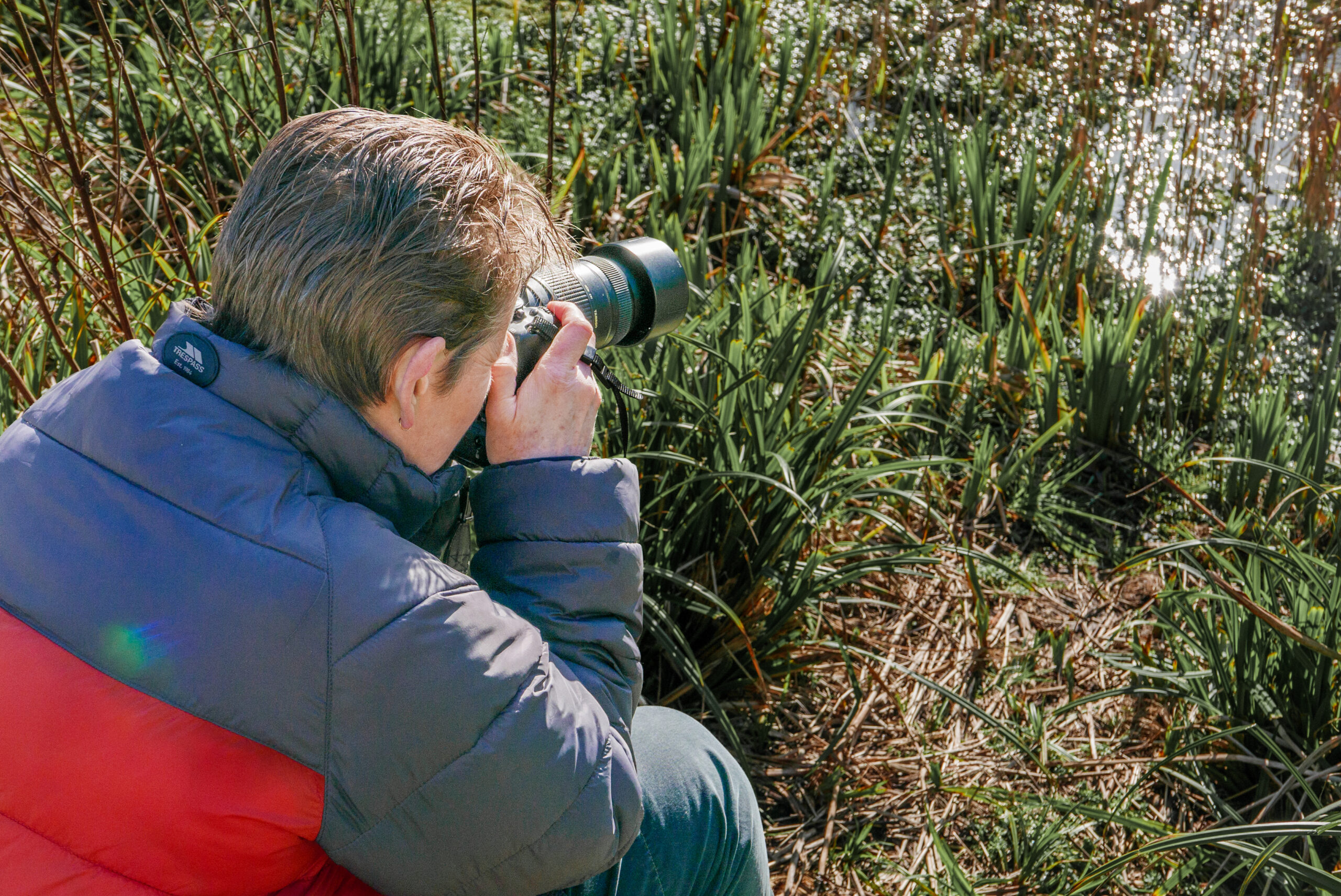
“They inspire people beyond the workshop. For example, if they run a poetry or photography workshop, people will go out and they will practise and develop those skills, doing things that they wouldn’t usually do and that is music to my ears.
People will say, “It’s not like a pill, you know” but I challenge that and say it is. The benefits of a really good creative workshop stay with someone long after they walk out of the door. Quality of life, well being, all of these things are enhanced by good, well provided, supported creative activities.
Bright Shadow’s reputation amongst the dementia community is very positive and it’s great that people like me and other people that engage with activities are advocates, as it’s important that influential people hear these stories and share our view.
The healing arts
“For example, I have spoken at an international World Health Organisation webinar called Healing Arts as a representative voice of people with dementia, what they call an “expert by experience”. It was a mix of academics coming to it from a neuroscience background and to counterbalance it, people like myself, to discuss the pros of arts for dementia. It aimed to illustrate that the WHO was signed up to promoting and supporting arts in health and in this case dementia was the focus. Because so often they are seen as being allied to the pharmacological industry and they were keen to show their breadth of approach.
I am also speaking at the houses of parliament this May at the launch of the Reading Agency’s books initiative, Books On Prescription. This is an updated list of books that will be available for people to take out of libraries if they want to learn more about dementia, including books for children and adults. While I will be mainly speaking about reading, books and libraries, I will also speak to them about the importance of everyday creativity.
The power of storytelling
“When I am writing myself, I am always trying to convey information in a creative way, to use the narrative to tell a true story. I am currently co-editing a series of books called Dementia Reconsidered and each has a book cover with artwork designed and by someone with dementia, including two of my own.
As an ex-headteacher, what an organisation like Bright Shadow does for me is it allows me to step back into those shoes a bit. I can still be a bit of a leader sometimes, without the responsibilities that go with it, or I can be a follower.
It encourages people to know that they can still do things; that they are capable, have value and are worthwhile. That a diagnosis of dementia isn’t the end for that person, it is a change. It might be the end of one part of their life, but given what Bright Shadow provides, it might be the start of something new.”
Keith Oliver – Author, self-advocate and NHS Dementia Envoy